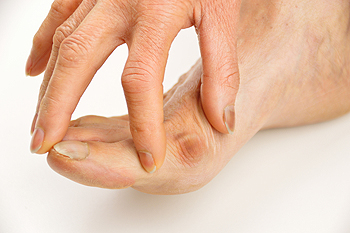
Bunions Can Be Mild or Severe

A change in the alignment of the bones in the foot may result in a bunion. Bunions appear as a bony protrusion that forms on the side of the big toe, and they can cause difficulty in walking. People who wear shoes that do not have adequate room for the toes to move freely in may see the beginning signs of a bunion developing. Additionally, bunions may happen from genetic reasons or from a foot abnormality at birth. The majority of bunions do not cause pain, despite the fact that they can gradually become larger. Research has indicated arthritis may cause the bunion and surrounding areas to become uncomfortable. Mild relief may be found when bunion pads are worn, and this can be effective if the bunion is small. Larger bunions may require surgery for permanent removal, and it is strongly suggested that you consult with a podiatrist who can determine if this is right for you.

If you are suffering from bunions, contact one of our clinicians of The Footcare Centre. Our podiatrists can provide the care you need to keep you pain-free and on your feet.

What Is a Bunion?

A bunion is formed of swollen tissue or an enlargement of boney growth, usually located at the base joint of the toe that connects to the foot. The swelling occurs due to the bones in the big toe shifting inward, which impacts the other toes of the foot. This causes the area around the base of the big toe to become inflamed and painful.

Why Do Bunions Form?

Genetics – Susceptibility to bunions are often hereditary

Stress on the feet – Poorly fitted and uncomfortable footwear that places stress on feet, such as heels, can worsen existing bunions

How Are Bunions Diagnosed?

Podiatrists often perform two tests – blood tests and x-rays – when trying to diagnose bunions, especially in the early stages of development. Blood tests help determine if the foot pain is being caused by something else, such as arthritis, while x-rays provide a clear picture of your bone structure to your podiatrist.

How Are Bunions Treated?

  • Refrain from wearing heels or similar shoes that cause discomfort
  • Select wider shoes that can provide more comfort and reduce pain
  • Anti-inflammatory and pain management drugs
  • Orthotics or foot inserts
  • Surgery

If you have any questions, please feel free to contact our office located in Weybridge, UK . We offer the newest diagnostic and treatment technologies for all your foot care needs.

Read more about Bunions

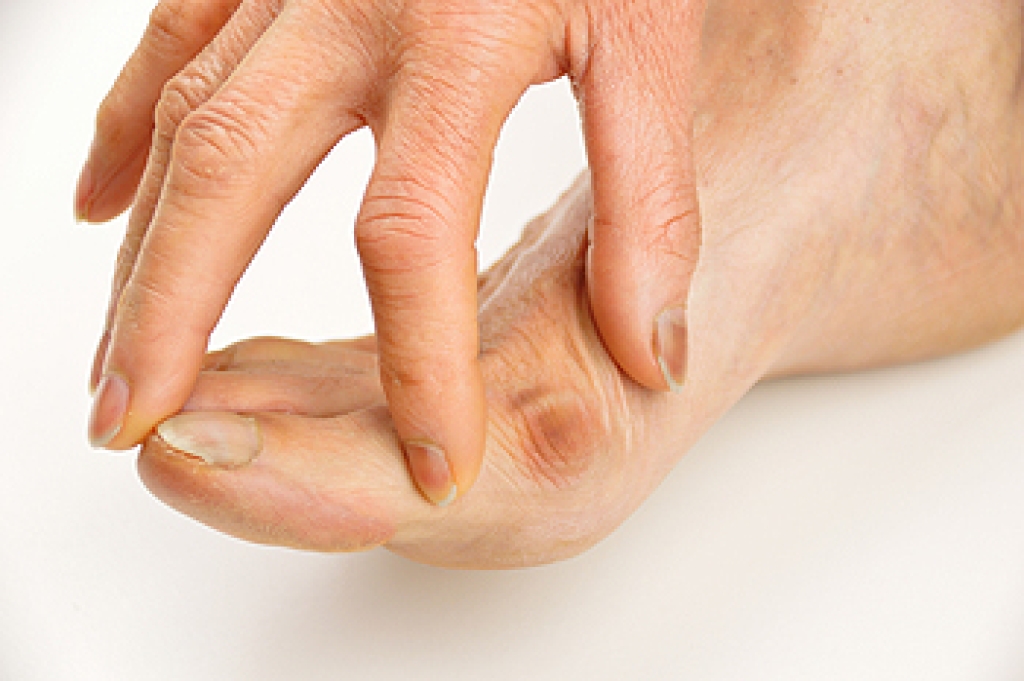
Bunions Can Be Mild or Severe

A change in the alignment of the bones in the foot may result in a bunion. Bunions appear as a bony protrusion that forms on the side of the big toe, and they can cause difficulty in walking. People who wear shoes that do not have adequate room for the toes to move freely in may see the beginning signs of a bunion developing. Additionally, bunions may happen from genetic reasons or from a foot abnormality at birth. The majority of bunions do not cause pain, despite the fact that they can gradually become larger. Research has indicated arthritis may cause the bunion and surrounding areas to become uncomfortable. Mild relief may be found when bunion pads are worn, and this can be effective if the bunion is small. Larger bunions may require surgery for permanent removal, and it is strongly suggested that you consult with a podiatrist who can determine if this is right for you.

If you are suffering from bunions, contact one of our clinicians of The Footcare Centre. Our podiatrists can provide the care you need to keep you pain-free and on your feet.

What Is a Bunion?

A bunion is formed of swollen tissue or an enlargement of boney growth, usually located at the base joint of the toe that connects to the foot. The swelling occurs due to the bones in the big toe shifting inward, which impacts the other toes of the foot. This causes the area around the base of the big toe to become inflamed and painful.

Why Do Bunions Form?

Genetics – Susceptibility to bunions are often hereditary

Stress on the feet – Poorly fitted and uncomfortable footwear that places stress on feet, such as heels, can worsen existing bunions

How Are Bunions Diagnosed?

Doctors often perform two tests – blood tests and x-rays – when trying to diagnose bunions, especially in the early stages of development. Blood tests help determine if the foot pain is being caused by something else, such as arthritis, while x-rays provide a clear picture of your bone structure to your doctor.

How Are Bunions Treated?

  • Refrain from wearing heels or similar shoes that cause discomfort
  • Select wider shoes that can provide more comfort and reduce pain
  • Anti-inflammatory and pain management drugs
  • Orthotics or foot inserts
  • Surgery

If you have any questions, please feel free to contact our office located in Weybridge, UK . We offer the newest diagnostic and treatment technologies for all your foot care needs.
Read more about Bunions

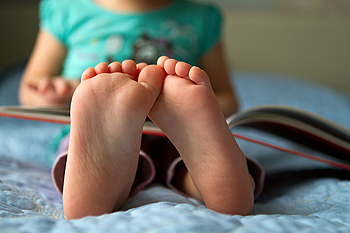
Teaching Children How to Care for Their Feet

It is important for parents to teach their children how to take care of their feet. Children are often fascinated to learn that each of their feet have twenty-six bones, in addition to several muscles, ligaments, and tendons. They understand their feet can feel good when they are washed and dried every day, and when they wear shoes that fit correctly. Babies' feet will get stronger when they can walk barefoot while indoors, due the toes gripping the floor to maintain balance. When the toenails are trimmed, ingrown toenails may be prevented. This is a condition that can cause severe pain and discomfort, and it can make it difficult for children to run and play. If you would like more information about methods on how to teach children the proper way to care for their feet, please consult with a podiatrist.

Making sure that your children maintain good foot health is very important as they grow. If you have any questions, contact one of our clinicians of The Footcare Centre. Our podiatrists can provide the care you need to keep you pain-free and on your feet.

Keeping Children's Feet Healthy

Having healthy feet during childhood can help prevent medical problems later in life, namely in the back and legs. As children grow, their feet require different types of care. Here are some things to consider...

Although babies do not walk yet, it is still very important to take care of their feet.

Avoid putting tight shoes or socks on his or her feet.

Allow the baby to stretch and kick his or her feet to feel comfortable.

As a toddler, kids are now on the move and begin to develop differently. At this age, toddlers are getting a feel for walking, so don’t be alarmed if your toddler is unsteady or ‘walks funny’. 

As your child gets older, it is important to teach them how to take care of their feet.

Show them proper hygiene to prevent infections such as fungus.

Be watchful for any pain or injury.

Have all injuries checked by a doctor as soon as possible.

Comfortable, protective shoes should always be worn, especially at play.

If you have any questions please feel free to contact our office located in Weybridge, UK . We offer the newest diagnostic and treatment technologies for all your foot and ankle needs.

Read more about How to Care for Your Child's Feet

How to Care for Your Child's Feet

It is never normal for a child to experience pain in his or her feet. Foot pain that lasts more than a few days and limits a child’s ability to walk should be examined by a podiatrist. Many adult foot ailments originate in childhood and may be present at birth. Common foot issues that are experienced by children are pediatric flat foot, Sever’s disease, ingrown toenails, and plantar warts.

A child’s foot grows rapidly during the first year, allowing it to reach almost half of their adult foot size. Consequently, foot specialists consider the first year to be the most crucial point in the foot development process. There are ways you can help ensure that your child’s foot develops properly. One way is to carefully look at your baby’s feet. If you notice any deformities, you should immediately seek professional care. You should also loosely cover your child’s foot, since tight coverings may prevent movement and inhibit normal development. Another tip is to change the baby’s positioning throughout the day. If your baby lies down in one spot for too long, it may put an excess amount of strain on the feet and legs.

It is best that you try not to force a child to start walking. Children will begin to walk when they are both physically and emotionally capable to do so. You should also avoid comparing your child’s walking progress with other children because the age range for independent walking may range. When your child’s feet begin to develop, you may need to change both their shoe and sock size every few months to allow room for their feet to grow.

Kids are sometimes prone to splinters, cuts, and severe injuries because they tend to walk around barefoot. This also makes them more susceptible to developing plantar warts which is a condition caused by a virus that invades the sole of the foot through breaks in the skin. These ailments can be avoided by making sure your child wears shoes in unsanitary environments. You should also wash any minor cuts or scrapes on your child’s feet. It is a myth that exposure to fresh air will heal injuries; fresh air will only expose your child’s cuts to germs.

As a parent, you should ensure that your child’s feet are developing properly and are being properly maintained. Consequently, it is important that you perform routine inspections on his or her feet to detect any injuries or deformities in their early stages. Early detection and treatment will help to ensure that your child does not develop any serious foot conditions.

Connect With Us