Identifying and Treating Heel Pain

Heel pain can result from several causes, including plantar fasciitis, fractures, or tendonitis. Plantar fasciitis occurs when the thick band of tissue that connects the heel to the toes becomes inflamed, often due to overuse, improper footwear, or high impact activities. Heel fractures can result from trauma or stress and may cause swelling, bruising, or difficulty walking. Tendonitis involves inflammation of the tendons around the heel, often from repetitive strain or sudden increases in activity. Heel pain may look subtle from the outside but can feel sharp, stabbing, or aching, especially with the first steps in the morning or after prolonged activity. A podiatrist can diagnose the cause through physical examination, imaging if needed, and gait analysis. Treatment may include stretching, orthotics, supportive footwear, anti-inflammatory therapies, or targeted interventions for fractures. Early evaluation supports faster healing and prevents chronic pain. If you experience persistent heel discomfort, it is suggested that you make an appointment with a podiatrist. 

Many people suffer from bouts of heel pain. For more information, contact one of our clinicians of The Footcare Centre. Our podiatrists can provide the care you need to keep you pain-free and on your feet.

Causes of Heel Pain

Heel pain is often associated with plantar fasciitis. The plantar fascia is a band of tissues that extends along the bottom of the foot. A rip or tear in this ligament can cause inflammation of the tissue.

Achilles tendonitis is another cause of heel pain. Inflammation of the Achilles tendon will cause pain from fractures and muscle tearing. Lack of flexibility is also another symptom.

Heel spurs are another cause of pain. When the tissues of the plantar fascia undergo a great deal of stress, it can lead to ligament separation from the heel bone, causing heel spurs.

Why Might Heel Pain Occur?

  • Wearing ill-fitting shoes                
  • Wearing non-supportive shoes
  • Weight change           
  • Excessive running

Treatments

Heel pain should be treated as soon as possible for immediate results. Keeping your feet in a stress-free environment will help. If you suffer from Achilles tendonitis or plantar fasciitis, applying ice will reduce the swelling. Stretching before an exercise like running will help the muscles. Using all these tips will help make heel pain a condition of the past.

If you have any questions, please feel free to contact our office located in Weybridge, UK . We offer the newest diagnostic and treatment technologies for all your foot care needs.

Read more about Heel Pain

Exploring the Many Causes of Toe Pain

Toe pain can develop for many reasons, and identifying the cause is key to proper treatment. An ingrown toenail occurs when the nail grows into the surrounding skin, causing redness, swelling, and sharp pain. A bunion forms when the big toe joint becomes misaligned, creating a visible bump and soreness that worsens with tight shoes. A broken toe may result from trauma and often appears bruised, swollen, and tender to the touch. Gout is a type of arthritis caused by uric acid buildup, leading to sudden, intense pain, redness, and warmth in the joint, often at night. Each condition may look and feel different, but all can interfere with walking and daily activities. A podiatrist can diagnose the exact cause through examination, imaging, and testing, then provide treatments such as nail care, custom orthotics, medication, or immobilization. It is suggested that you make an appointment with a podiatrist to find lasting relief from toe pain. 

Toe pain can disrupt your daily activities. If you have any concerns, contact one of our clinicians of The Footcare Centre. Our podiatrists can provide the care you need to keep you pain-free and on your feet.

What Causes Toe Pain?

Most severe toe pain is caused due to a sports injury, trauma from dropping something heavy on the toe, or bumping into something rigid. Other problems can develop over time for various reasons.

Toe pain can be caused by one or more ailments. The most common include:

  • Trauma
  • Sports injury
  • Wearing shoes that are too tight
  • Arthritis
  • Gout
  • Corns and calluses
  • Hammertoe
  • Bunions
  • Blisters
  • Ingrown toenails
  • Sprains
  • Fractures (broken bones)
  • Dislocations

When to See a Podiatrist

  • Severe pain
  • Persistent pain that lasts more than a week
  • Signs of infection
  • Continued swelling
  • Pain that prevents walking

Diagnosis

In many cases the cause of toe pain is obvious, but in others, a podiatrist may want to use more advanced methods to determine the problem. These can range from simple visual inspections and sensation tests to X-rays and MRI scans. Prior medical history, family medical history, and any recent physical traumatic events will all be taken into consideration for a proper diagnosis.

Treatment

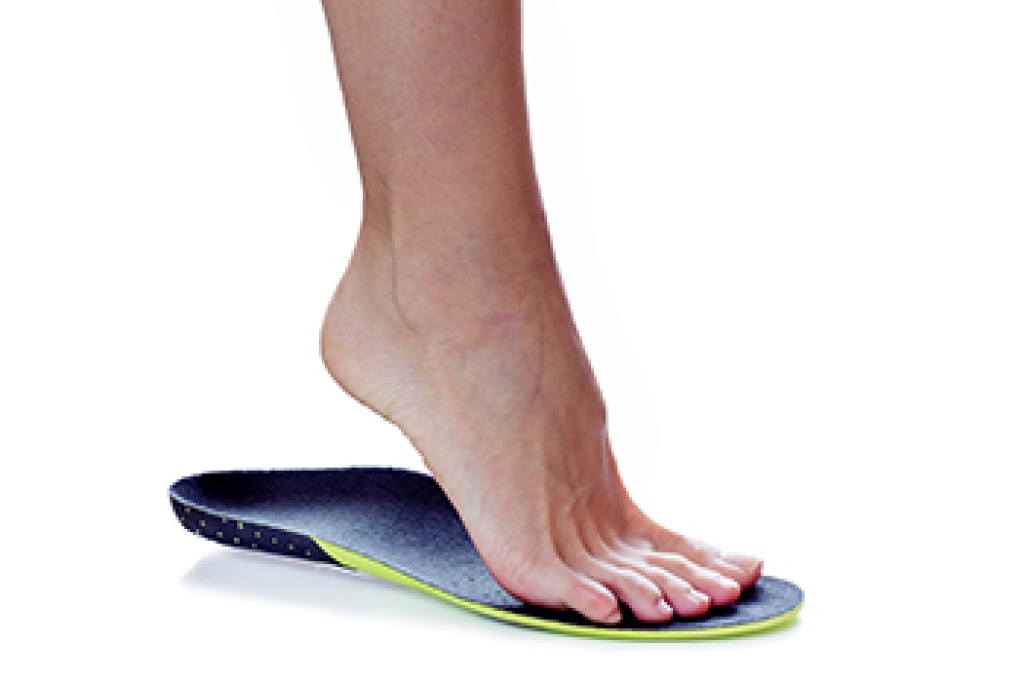
Treatments for toe pain and injuries vary and may include shoe inserts, padding, taping, medicines, injections, and in some cases, surgery. If you believe that you have broken a toe, please see a podiatrist as soon as possible.

If you have any questions please contact our office located in Weybridge, UK . We offer the newest diagnostic and treatment technologies for all your foot and ankle needs.
Read more about Toe Pain

Foot and Ankle Injuries in Basketball

Foot and ankle injuries are frequent concerns for basketball players because quick pivots, sharp stops, and repeated jumping place heavy stress on the lower limbs. Sprains are especially troublesome, often occurring when the foot rolls inward or outward and overstretches the supporting ligaments of the ankle. These basketball injuries can lead to pain, swelling, and difficulty pushing off the ground. Fractures of the foot or ankle can also occur from forceful landings or repeated impact, sometimes affecting bones such as the fifth metatarsal or the talus. Conditions like Achilles tendon strains or ruptures develop when the tendon is pushed beyond its limit during explosive movements. Shoes that lack adequate support or worn-out athletic shoes can increase the risk of injury, as can wearing flip-flops before or after games. A podiatrist can evaluate the injury, order imaging if needed, and provide effective treatment or discuss surgery when necessary. If you have sustained a foot or ankle injury while playing sports, it is suggested that you make an appointment with a podiatrist for a diagnosis and treatment.

Sports related foot and ankle injuries require proper treatment before players can go back to their regular routines. For more information, contact one of our clinicians of The Footcare Centre. Our podiatrists can provide the care you need to keep you pain-free and on your feet.

Sports Related Foot and Ankle Injuries

Foot and ankle injuries are a common occurrence when it comes to athletes of any sport. While many athletes dismiss the initial aches and pains, the truth is that ignoring potential foot and ankle injuries can lead to serious problems. As athletes continue to place pressure and strain the area further, a mild injury can turn into something as serious as a rupture and may lead to a permanent disability. There are many factors that contribute to sports related foot and ankle injuries, which include failure to warm up properly, not providing support or wearing bad footwear. Common injuries and conditions athletes face, including:

  • Plantar Fasciitis
  • Achilles Tendinitis
  • Achilles Tendon Rupture
  • Ankle Sprains

Sports related injuries are commonly treated using the RICE method. This includes rest, applying ice to the injured area, compression and elevating the ankle. More serious sprains and injuries may require surgery, which could include arthroscopic and reconstructive surgery. Rehabilitation and therapy may also be required in order to get any recovering athlete to become fully functional again. Any unusual aches and pains an athlete sustains must be evaluated by a licensed, reputable medical professional.

If you have any questions please contact our office located in Weybridge, UK . We offer the newest diagnostic and treatment technologies for all your foot and ankle needs.

Read more about Sports Related Foot and Ankle Injuries

Do Your Child's Feet Hurt?

Have your child's feet been examined lately? Healthy feet are happy feet. If your child is complaining of foot pain, it may be a sign of underlying problems.

Dealing With Foot Pain During Pregnancy

Foot pain during pregnancy often develops as extra weight and shifting balance place added stress on the heels, arches, toes, and ankles. As the baby grows, many women notice soreness linked to swelling, changes in posture, or increased strain on soft tissues. Plantar fasciitis involves irritation of the band of tissue that supports the arch and can lead to sharp pain in the heel, especially when taking the first steps after resting. Irritation of the Achilles tendon creates stiffness and makes walking uncomfortable as the back of the ankle becomes increasingly stressed. Swelling around the toes and ankles can also cause aching or a heavy sensation in the feet and make standing or walking more difficult. A podiatrist can evaluate these foot pain issues, provide inserts for shoes with inadequate support, and offer guidance on ways to reduce strain on the feet during pregnancy. If you are experiencing any of the above symptoms, it is suggested that you make an appointment with a podiatrist for a diagnosis and appropriate treatment.

Pregnant women with swollen feet can be treated with a variety of different methods that are readily available. For more information about other cures for swollen feet during pregnancy, consult with one of our clinicians from The Footcare Centre. Our podiatrists will attend to all of your foot and ankle needs.

What Foot Problems Can Arise During Pregnancy?

One problem that can occur is overpronation, which occurs when the arch of the foot flattens and tends to roll inward.  This can cause pain and discomfort in your heels while you’re walking or even just standing up, trying to support your baby.  

Another problem is edema, or swelling in the extremities. This often affects the feet during pregnancy but tends to occur in the later stages. 

How Can I Keep My Feet Healthy During Pregnancy?

  • Wearing orthotics can provide extra support for the feet and help distribute weight evenly
  • Minimize the amount of time spent walking barefoot
  • Wear shoes with good arch support
  • Wear shoes that allow for good circulation to the feet
  • Elevate feet if you experience swelling
  • Massage your feet
  • Get regular, light exercise, such as walking, to promote blood circulation to the feet

If you have any questions, please feel free to contact our office located in Weybridge, UK . We offer the newest diagnostic and treatment technologies for all your foot care needs.

Read more about Pregnancy and Foot Health

Connect With Us