
Common Causes of Ankle Pain

Ankle pain can develop from several conditions that affect the bones, ligaments, and tendons surrounding the joint. An Achilles tendon injury often causes pain at the back of the ankle, especially during movement or after activity. Fractures involve a break in one of the ankle bones and may appear with severe pain, swelling, and difficulty bearing weight. Sprains occur when ligaments are stretched or torn, while strains affect muscles or tendons, both leading to discomfort and instability. Risk factors include sports activity, uneven surfaces, wearing poor footwear, and sudden changes in movement. Symptoms may vary, but often include swelling, bruising, and limited motion. A podiatrist can determine the exact cause through examination and imaging, then guide treatment to restore strength and function. If you have ankle pain, it is suggested that you consult a podiatrist who can accurately diagnose and treat what may be going on.

Ankle pain can have many different causes and the pain may potentially be serious. If you have ankle pain, consult with one of our clinicians from The Footcare Centre. Our podiatrists will assess your condition and provide you with quality foot and ankle treatment.

Ankle pain is any condition that causes pain in the ankle. Due to the fact that the ankle consists of tendons, muscles, bones, and ligaments, ankle pain can come from a number of different conditions.

Causes

The most common causes of ankle pain include:

  • Types of arthritis (rheumatoid, osteoarthritis, and gout)
  • Ankle sprains
  • Broken ankles
  • Achilles tendinitis
  • Achilles tendon rupture
  • Stress fractures
  • Tarsal tunnel syndrome
  • Plantar fasciitis

Symptoms

Symptoms of ankle injury vary based upon the condition. Pain may include general pain and discomfort, swelling, aching, redness, bruising, burning or stabbing sensations, and/or loss of sensation.

Diagnosis

Due to the wide variety of potential causes of ankle pain, podiatrists will utilize a number of different methods to properly diagnose ankle pain. This can include asking for personal and family medical histories and of any recent injuries. Further diagnosis may include sensation tests, a physical examination, and potentially x-rays or other imaging tests.

Treatment

Just as the range of causes varies widely, so do treatments. Some more common treatments are rest, ice packs, keeping pressure off the foot, orthotics and braces, medication for inflammation and pain, and surgery.

If you have any questions please feel free to contact our office located in Weybridge, UK . We offer the newest diagnostic tools and technology to treat your foot and ankle needs.

Read more about Ankle Pain

Achilles Tendon Pain Can Affect Daily Movement

Achilles tendon pain often develops when the thick tendon connecting the calf muscles to the heel becomes irritated or inflamed from overuse, strain, or injury. This condition may cause aching, stiffness, or burning pain along the back of the heel or lower leg. This often happens after exercise or first getting out of bed in the morning. The area may appear swollen or thickened and can feel tender when touched. Running, climbing stairs, or prolonged walking may increase discomfort and make movement more difficult. Common causes include sudden increases in activity, tight calf muscles, wearing improper footwear, and repeated stress on the tendon. A podiatrist can evaluate the severity of the condition and determine whether there is inflammation, small tears, or tendon degeneration. Treatment may include wearing supportive footwear, targeted exercises, and activity modification. If you have Achilles tendon pain, it is suggested that you schedule an appointment with a podiatrist for an accurate diagnosis and appropriate treatment plan.

Achilles tendon injuries need immediate attention to avoid future complications. If you have any concerns, contact one of our clinicians of The Footcare Centre. Our podiatrists can provide the care you need to keep you pain-free and on your feet.

What Is the Achilles Tendon?

The Achilles tendon is a tendon that connects the lower leg muscles and calf to the heel of the foot. It is the strongest tendon in the human body and is essential for making movement possible. Because this tendon is such an integral part of the body, any injuries to it can create immense difficulties and should immediately be presented to a podiatrist.

What Are the Symptoms of an Achilles Tendon Injury?

There are various types of injuries that can affect the Achilles tendon. The two most common injuries are Achilles tendinitis and ruptures of the tendon.

Achilles Tendinitis Symptoms

  • Inflammation
  • Dull to severe pain
  • Increased blood flow to the tendon
  • Thickening of the tendon

Rupture Symptoms

  • Extreme pain and swelling in the foot
  • Total immobility

Treatment and Prevention

Achilles tendon injuries are diagnosed by a thorough physical evaluation, which can include an MRI. Treatment involves rest, physical therapy, and in some cases, surgery. However, various preventative measures can be taken to avoid these injuries, such as:

  • Thorough stretching of the tendon before and after exercise
  • Strengthening exercises like calf raises, squats, leg curls, leg extensions, leg raises, lunges, and leg presses

If you have any questions please feel free to contact our office located in Weybridge, UK . We offer the newest diagnostic tools and technology to treat your foot and ankle needs.

Read more about The Causes, Types, and Treatments of Achilles Tendon Injuries

The Role of a Podiatrist

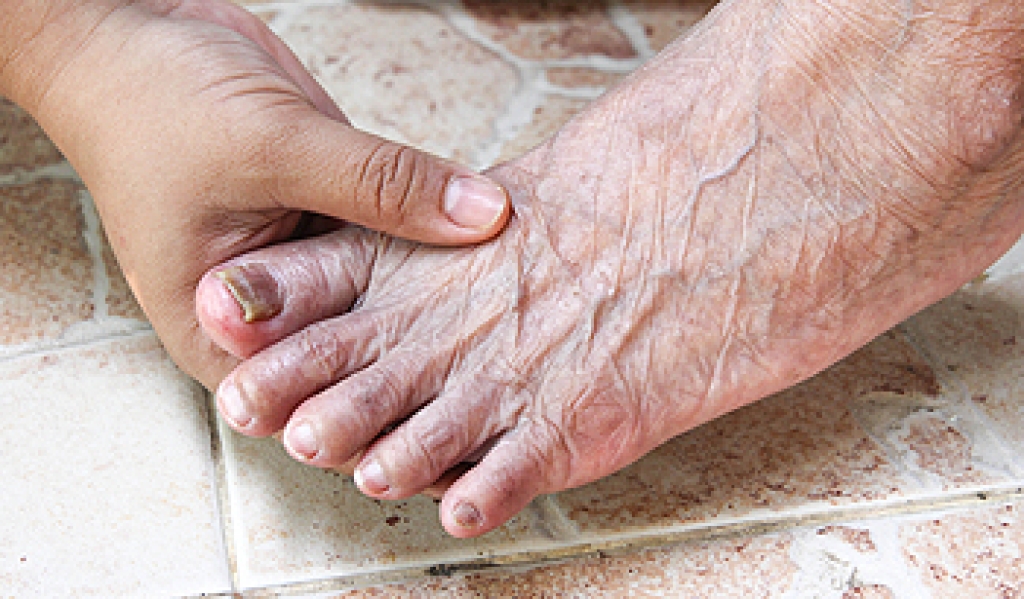
A podiatrist is a medical specialist dedicated to diagnosing and treating conditions that affect the feet and lower limbs. These foot experts manage a wide range of issues, including hammertoe, bunions, toenail disorders, arthritis, and complications related to diabetes that can impact circulation and nerve health. Because the feet support the entire body, even minor problems can lead to significant discomfort and mobility challenges if left untreated. Podiatrists provide comprehensive care through accurate diagnosis, personalized treatment plans, and preventive strategies to maintain long-term foot health. Their expertise helps patients stay active and avoid more serious complications. If you have foot pain or concerns, it is suggested that you consult a podiatrist who can accurately diagnose and treat foot and ankle conditions. 

If you are dealing with pain in your feet and ankles, you may want to seek help from a podiatrist. Feel free to contact one of our clinicians from The Footcare Centre. Our podiatrists can provide the care you need to keep you pain-free and on your feet.

What Is a Podiatrist?

A podiatrist diagnoses and treats conditions of the foot, ankle, and related structures of the leg. Your podiatrist may specialize in a certain field such as sports medicine, wound care, pediatrics, and diabetic care. Podiatrists have the ability to become board certified through training, clinical experience, and then taking an exam.

What Do Podiatrists Do?

On a daily basis, a podiatrist may perform the following activities:

  • Diagnose foot ailments such as ulcers, tumors, fractures, etc.
  • Use innovative methods to treat conditions
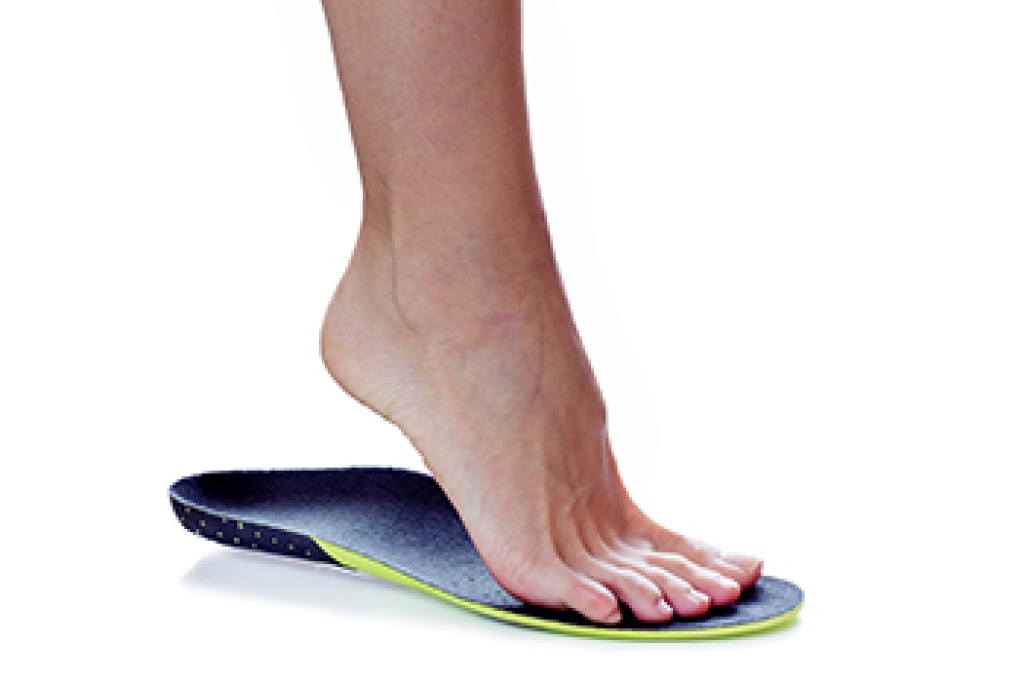
  • Use corrective orthotics, casts, and strappings to correct deformities
  • Correct walking patterns and balance
  • Provide individual consultations to patients

It is very important that you take care of your feet. It’s easy to take having healthy feet for granted, however foot problems tend to be among the most common health conditions. Podiatrists can help diagnose and treat a variety of feet related conditions, so it is crucial that you visit one if you need assistance.

If you have any questions, please feel free to contact our office located in Weybridge, UK . We offer the newest diagnostic and treatment technologies for all your foot care needs.
Read more about What is a Podiatrist?

Keeping Feet Healthy During Summer Months

Warm weather and open shoes often lead to dry, cracked skin on the feet. Sandals and flip-flops expose the heels and soles to air and rough surfaces, which can cause moisture to escape and skin to become rough. Walking barefoot, especially on hot pavement or sand, may also contribute to dryness and irritation. Regular moisturizing, gentle exfoliation, and wearing shoes that protect the heels can help keep skin smooth. Staying hydrated and avoiding long hot showers may also support skin health. If cracks become deep or painful, bacteria can enter and cause further problems. Paying attention to early signs, such as flaking or tight skin, may prevent more serious damage later. If your feet are showing signs of severe dryness or painful cracking that does not improve, it is suggested that you see a podiatrist for guidance and effective treatment.

If the skin on your feet starts to crack, you may want to see a podiatrist to find treatment. If you have any concerns, contact one of our clinicians from The Footcare Centre. Our podiatrists can provide the care you need to keep you pain-free and on your feet.

Cracked Heels

It is important to moisturize your cracked heels in order to prevent pain, bleeding, and infection. The reason cracked heels form is because the skin on the foot is too dry to support the immense pressure placed on them. When the foot expands, the dry skin on the foot begins to split.

Ways to Help Heal Them

  • Invest in a good foot cream
  • Try Using Petroleum Jelly
  • Ease up on Soaps
  • Drink Plenty of Water

Ways to Prevent Cracked Heels

  • Moisturize After Showering
  • Skip a Shower
  • Keep Shower Water Lukewarm
  • Don’t Scrub Your Feet

If you are unsure how to proceed in treating cracked heels, seek guidance from a podiatrist. Our podiatrists will help you with any questions or information you may need. 

If you have any questions, please feel free to contact our office located in Weybridge, UK . We offer the newest diagnostic and treatment technologies for all your foot care needs.
Read more about Solutions for Cracked Heels

Connect With Us