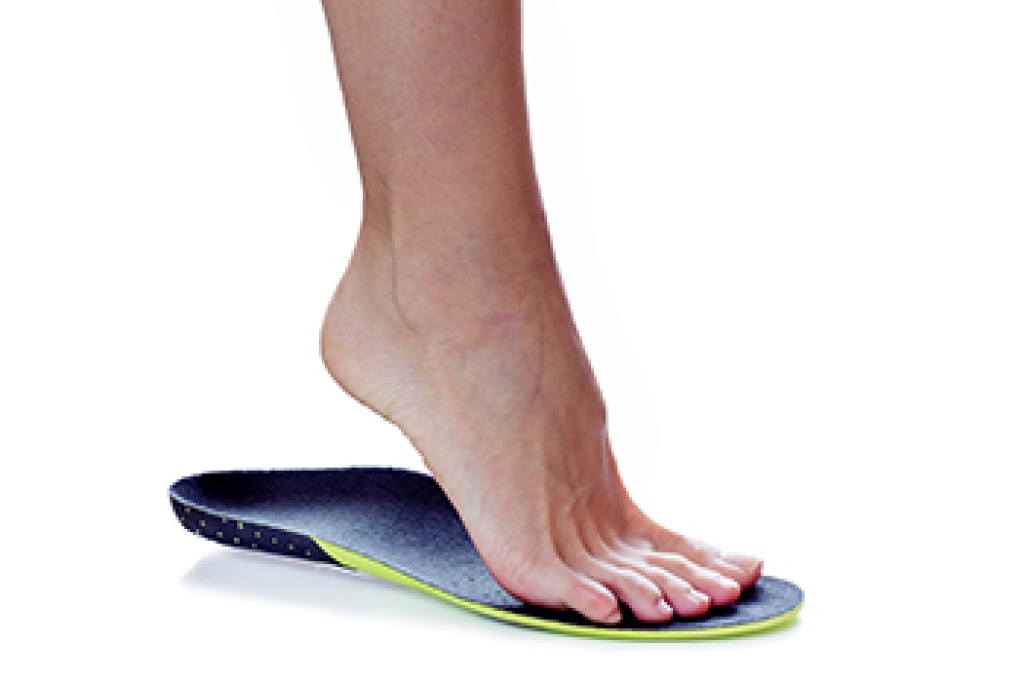
When the Achilles Tendon Becomes Overworked or Injured

The Achilles tendon, which connects the calf muscles to the heel, can become irritated or damaged when it is placed under repeated stress. Many people notice a gradual ache above the heel that feels worse during activity and eases with rest. Others experience stiffness in the morning, swelling along the back of the ankle, or tenderness when pressing on the tendon. Sudden increases in exercise, tight calf muscles, wearing unsupportive footwear, or changes in walking surfaces can all contribute to strain. In more severe cases, sharp pain or difficulty pushing off the foot may indicate a partial tear. Early awareness helps prevent further injury and supports a smoother recovery through stretching, wearing proper footwear, and activity changes. If you continue to feel discomfort or notice swelling along the Achilles tendon, it is suggested that you schedule an appointment with a podiatrist for an evaluation and appropriate treatment.

Achilles tendon injuries need immediate attention to avoid future complications. If you have any concerns, contact one of our clinicians of The Footcare Centre. Our podiatrists can provide the care you need to keep you pain-free and on your feet.

What Is the Achilles Tendon?

The Achilles tendon is a tendon that connects the lower leg muscles and calf to the heel of the foot. It is the strongest tendon in the human body and is essential for making movement possible. Because this tendon is such an integral part of the body, any injuries to it can create immense difficulties and should immediately be presented to a specialist.

What Are the Symptoms of an Achilles Tendon Injury?

There are various types of injuries that can affect the Achilles tendon. The two most common injuries are Achilles tendinitis and ruptures of the tendon.

Achilles Tendinitis Symptoms

  • Inflammation
  • Dull to severe pain
  • Increased blood flow to the tendon
  • Thickening of the tendon

Rupture Symptoms

  • Extreme pain and swelling in the foot
  • Total immobility

Treatment and Prevention

Achilles tendon injuries are diagnosed by a thorough physical evaluation, which can include an MRI. Treatment involves rest, physical therapy, and in some cases, surgery. However, various preventative measures can be taken to avoid these injuries, such as:

  • Thorough stretching of the tendon before and after exercise
  • Strengthening exercises like calf raises, squats, leg curls, leg extensions, leg raises, lunges, and leg presses

If you have any questions please feel free to contact our office located in Weybridge, UK . We offer the newest diagnostic tools and technology to treat your foot and ankle needs.

Read more about What are Achilles Tendon Injuries

Essential Foot Care Tips for Diabetic Patients

Foot care is especially important for individuals with diabetes because reduced sensation and poor circulation can increase the risk of complications. Examining your feet daily helps you notice cuts, redness, swelling, or changes that may need attention. Caring for toenails by trimming them straight across and keeping the skin clean and moisturized supports overall foot health. Wearing properly fitting shoes protects the feet from pressure and friction that can lead to sores or ulcers. A podiatrist can provide regular evaluations, manage toenail and skin concerns, and address issues before they become serious. If you have diabetes, it is suggested that you make foot care a daily priority and seek podiatric support to keep your feet healthy, comfortable, and protected.

Diabetic foot care is important in preventing foot ailments such as ulcers. If you are suffering from diabetes or have any other concerns about your feet, contact one of our clinicians from The Footcare Centre. Our podiatrists can provide the care you need to keep you pain-free and on your feet.

Diabetic Foot Care

Diabetes affects millions of people every year. The condition can damage blood vessels in many parts of the body, especially the feet. Because of this, taking care of your feet is essential if you have diabetes, and having a podiatrist help monitor your foot health is highly recommended.

The Importance of Caring for Your Feet

  • Routinely inspect your feet for bruises or sores.
  • Wear socks that fit your feet comfortably.
  • Wear comfortable shoes that provide adequate support.

Patients with diabetes should have their provider monitor their blood levels, as blood sugar levels play such a huge role in diabetic care. Monitoring these levels on a regular basis is highly advised.

It is always best to inform your healthcare professional of any concerns you may have regarding your feet, especially for diabetic patients. Early treatment and routine foot examinations are keys to maintaining proper health, especially because severe complications can arise if proper treatment is not applied.

If you have any questions, please feel free to contact our office located in Weybridge, UK . We offer the newest diagnostic and treatment technologies for all your foot care needs.
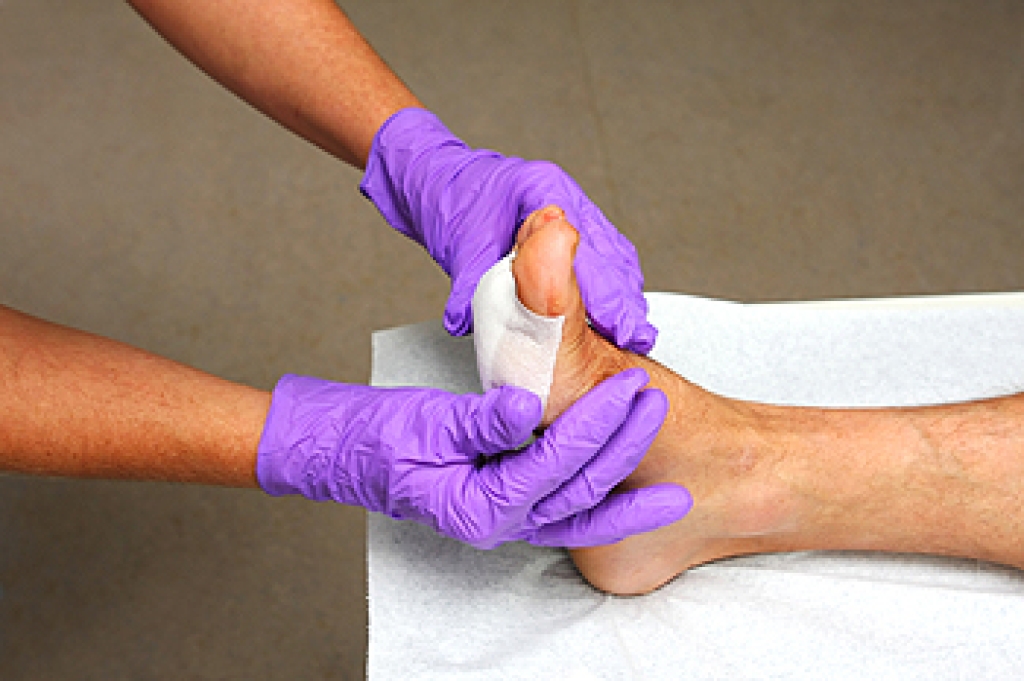

Read more about Diabetic Foot Care

Wounds That Don't Heal Need to Be Checked

Your feet are covered most of the day. If you're diabetic, periodic screening is important for good health. Numbness is often a sign of diabetic foot and can mask a sore or wound.

Advanced Treatment for Ingrown Toenails

Surgical treatment for ingrown toenails focuses on relieving pain, reducing infection, and preventing the nail from growing into the skin again. When the side of a toenail digs into the skin, it can cause redness, swelling, and tenderness. If left untreated, the area can become infected and make walking uncomfortable. For more severe or recurring cases, a podiatrist can perform one of several surgical procedures in which a small part of the toenail or the skin around it is carefully removed to stop the edge of the nail from digging into the toe. This helps the nail grow straight and prevents it from cutting into the skin again. The procedure is done under local anesthesia, and healing usually occurs within a few weeks. A podiatrist can determine which approach will provide lasting relief and promote healthy nail growth. If you have a painful or recurring ingrown toenail, it is suggested that you make an appointment with a podiatrist for a diagnosis and treatment.

Ingrown toenails can become painful if they are not treated properly. For more information about ingrown toenails, contact one of our clinicians of The Footcare Centre. Our podiatrists can provide the care you need to keep you pain-free and on your feet.

Ingrown Toenails

Ingrown toenails occur when a toenail grows sideways into the bed of the nail, causing pain, swelling, and possibly infection.

Causes

  • Bacterial infections
  • Improper nail cutting such as cutting it too short or not straight across
  • Trauma to the toe, such as stubbing, which causes the nail to grow back irregularly
  • Ill-fitting shoes that bunch the toes too close together
  • Genetic predisposition

Prevention

Wearing proper fitting shoes and using proper cutting techniques will also help decrease your risk of developing ingrown toenails.

Treatment

Ingrown toenails are a very treatable foot condition. In minor cases, soaking the affected area in salt or antibacterial soaps will not only help with the ingrown nail itself, but also help prevent any infections from occurring. In more severe cases, surgery is an option. In either case, speaking to your podiatrist about this condition will help you get a better understanding of specific treatment options that are right for you.

If you have any questions, please feel free to contact our office located in Weybridge, UK . We offer the newest diagnostic and treatment technologies for all your foot care needs.

Read more about Ingrown Toenail Care

Common Causes of Foot Pain

Foot pain can develop from many sources within the feet, toes, and ankles, and understanding these causes can help people seek care before symptoms worsen. Strain on the heel or arch is often linked to plantar fasciitis, which involves irritation of the band of tissue along the underside of the foot. Pressure under the big toe joint can lead to sesamoiditis, which is inflammation and pain of the small sesamoid bones beneath the big toe joint, while friction from shoes with inadequate support can contribute to corns and calluses. Foot structure also plays a role, as flat feet or very high arches can change the way weight is distributed and lead to prolonged soreness. Problems like bunions, ingrown toenails, and warts can also lead to discomfort. A podiatrist can evaluate foot mechanics, provide in-office care, and recommend the best path toward relief, including surgery if necessary. If you are experiencing any of the above symptoms, it is suggested that you make an appointment with a podiatrist for a diagnosis and the appropriate treatment.

Foot Pain

Foot pain can be extremely painful and debilitating. If you have a foot pain, consult with one of our clinicians from The Footcare Centre. Our podiatrists will assess your condition and provide you with quality foot and ankle treatment.

Causes

Foot pain is a very broad condition that could be caused by one or more ailments. The most common include:

  • Bunions
  • Hammertoes
  • Plantar Fasciitis
  • Bone Spurs
  • Corns
  • Tarsal Tunnel Syndrome
  • Ingrown Toenails
  • Arthritis (such as Gout, Rheumatoid, and Osteoarthritis)
  • Flat Feet
  • Injury (from stress fractures, broken toe, foot, ankle, Achilles tendon ruptures, and sprains)
  • And more

Diagnosis

To figure out the cause of foot pain, podiatrists utilize several different methods. This can range from simple visual inspections and sensation tests to X-rays and MRI scans. Prior medical history, family medical history, and any recent physical traumatic events will all be taken into consideration for a proper diagnosis.

Treatment

Treatment depends upon the cause of the foot pain. Whether it is resting, staying off the foot, or having surgery; podiatrists have a number of treatment options available for foot pain.

If you have any questions, please feel free to contact our office located in Weybridge, UK . We offer the newest diagnostic and treatment technologies for all your foot care needs.

Read more about Foot Pain

Connect With Us