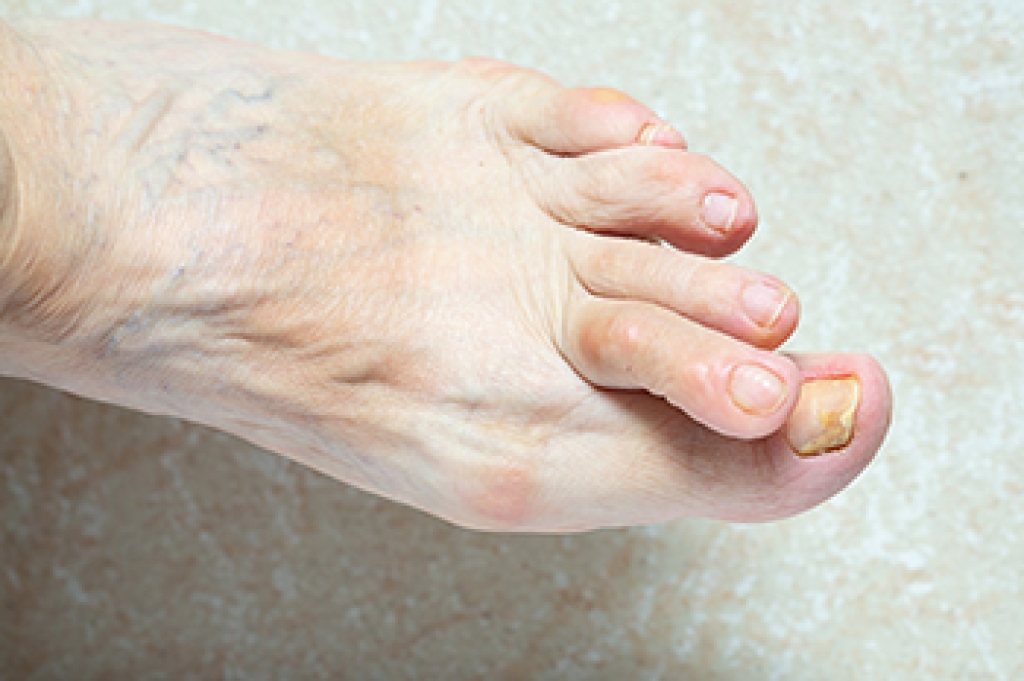
Risk Factors for Plantar Fasciitis

Plantar fasciitis is a common cause of heel pain that occurs when the thick band of tissue along the bottom of the foot becomes irritated. This condition often develops from repetitive strain, tight calf muscles, flat feet, high arches, or wearing unsupportive shoes. Symptoms include sharp heel pain with the first steps in the morning, tenderness, and stiffness after activity. Additionally, risk factors include increased activity levels, prolonged standing, aging, and excess weight. A podiatrist can diagnose the condition, provide custom treatment plans, and offer support through therapies, footwear guidance, and targeted exercises to reduce pain. If heel pain is disrupting your routine, it is suggested that you consult a podiatrist who can accurately diagnose and treat what may be going on.

Plantar fasciitis can be very painful and inconvenient. If you are experiencing heel pain or symptoms of plantar fasciitis, contact one of our clinicians from The Footcare Centre. Our podiatrists can provide the care you need to keep you pain-free and on your feet.

What Is Plantar Fasciitis?

Plantar fasciitis is the inflammation of the thick band of tissue that runs along the bottom of your foot, known as the plantar fascia, and causes mild to severe heel pain.

What Causes Plantar Fasciitis?

  • Excessive running
  • Non-supportive shoes
  • Overpronation
  • Repeated stretching and tearing of the plantar fascia

How Can It Be Treated?

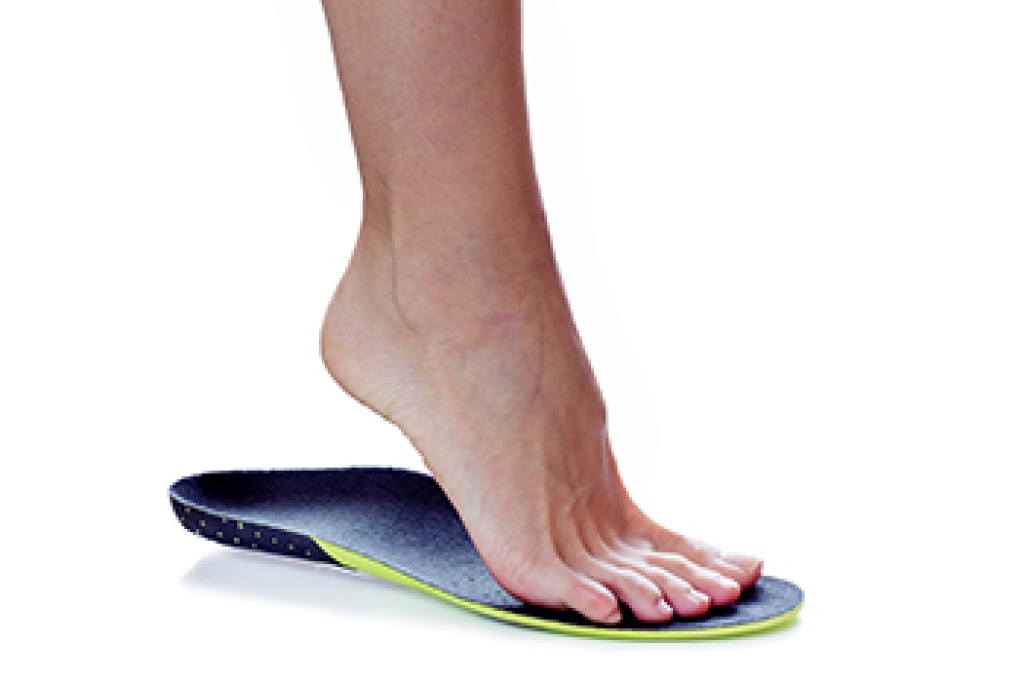
  • Conservative measures – anti-inflammatories, ice packs, stretching exercises, physical therapy, orthotic devices
  • Shockwave therapy – sound waves are sent to the affected area to facilitate healing and are usually used for chronic cases of plantar fasciitis
  • Surgery – usually only used as a last resort when all else fails. The plantar fascia can be surgically detached from the heel

While very treatable, plantar fasciitis is definitely not something that should be ignored. Especially in severe cases, speaking to a podiatrist right away is highly recommended to avoid complications and severe heel pain. Your podiatrist can work with you to provide the appropriate treatment options tailored to your condition.

If you have any questions, please feel free to contact our office located in Weybridge, UK . We offer the newest diagnostic and treatment technologies for all your foot care needs.
Read more about Plantar Fasciitis

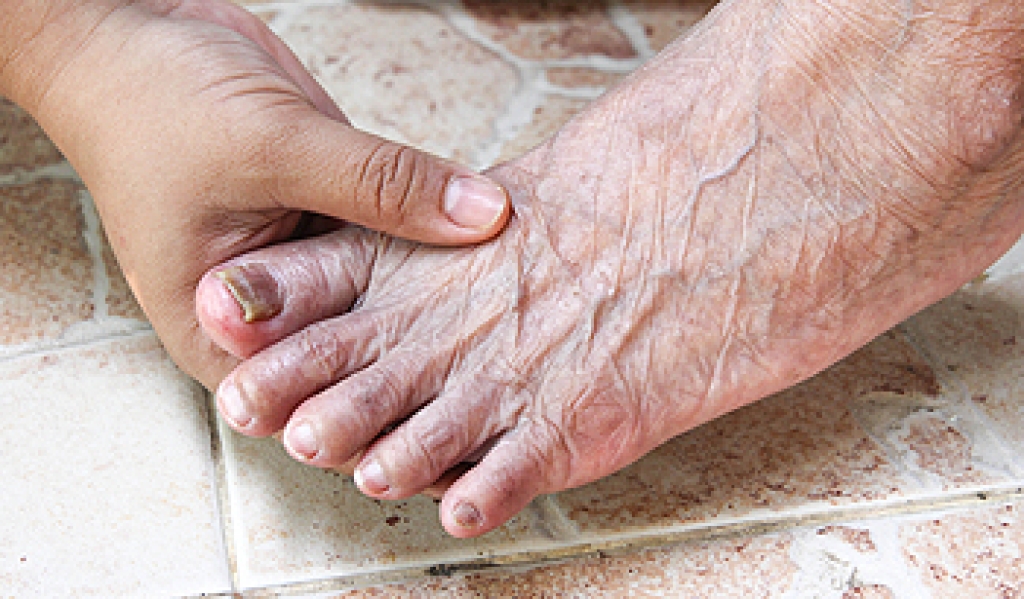
Practical Foot Care Habits for Older Adults

As people age, their feet can become more vulnerable to dryness, pressure points, nail changes, and balance concerns, making steady care especially important. Washing and drying the feet thoroughly each day helps maintain skin health, while moisturizing can prevent cracking that may lead to discomfort. Trimming nails straight across reduces the chance of ingrown edges, and wearing supportive shoes with a stable base can improve confidence during walking. Many older adults also benefit from checking their feet regularly for redness, swelling, or small injuries that may not cause immediate pain. These simple habits support safer movement and help prevent issues from becoming more serious. If you notice persistent soreness, difficulty walking, or changes in skin or nails, it is suggested that you schedule an appointment with a podiatrist for a proper evaluation.

Proper foot care is something many older adults forget to consider. If you have any concerns about your feet and ankles, contact one of our clinicians from The Footcare Centre. Our podiatrists can provide the care you need to keep you pain-free and on your feet.

The Elderly and Their Feet

As we age we start to notice many changes in our body, but the elder population may not notice them right away. Medical conditions may prevent the elderly to take notice of their foot health right away. Poor vision is a lead contributor to not taking action for the elderly.

Common Conditions 

  • Neuropathy – can reduce feeling in the feet and can hide many life-threatening medical conditions.
  • Reduced flexibility – prevents the ability of proper toenail trimming, and foot cleaning. If left untreated, it may lead to further medical issues.
  • Foot sores – amongst the older population can be serious before they are discovered. Some of the problematic conditions they may face are:
  • Gouging toenails affecting nearby toe
  • Shoes that don’t fit properly
  • Pressure sores
  • Loss of circulation in legs & feet
  • Edema & swelling of feet and ankles

Susceptible Infections

Diabetes and poor circulation can cause general loss of sensitivity over the years, turning a simple cut into a serious issue.

If you have any questions, please feel free to contact our office located in Weybridge, UK . We offer the newest diagnostic and treatment technologies for all your foot care needs.
Read more about Elderly and their Feet

When the Achilles Tendon Becomes Overworked or Injured

The Achilles tendon, which connects the calf muscles to the heel, can become irritated or damaged when it is placed under repeated stress. Many people notice a gradual ache above the heel that feels worse during activity and eases with rest. Others experience stiffness in the morning, swelling along the back of the ankle, or tenderness when pressing on the tendon. Sudden increases in exercise, tight calf muscles, wearing unsupportive footwear, or changes in walking surfaces can all contribute to strain. In more severe cases, sharp pain or difficulty pushing off the foot may indicate a partial tear. Early awareness helps prevent further injury and supports a smoother recovery through stretching, wearing proper footwear, and activity changes. If you continue to feel discomfort or notice swelling along the Achilles tendon, it is suggested that you schedule an appointment with a podiatrist for an evaluation and appropriate treatment.

Achilles tendon injuries need immediate attention to avoid future complications. If you have any concerns, contact one of our clinicians of The Footcare Centre. Our podiatrists can provide the care you need to keep you pain-free and on your feet.

What Is the Achilles Tendon?

The Achilles tendon is a tendon that connects the lower leg muscles and calf to the heel of the foot. It is the strongest tendon in the human body and is essential for making movement possible. Because this tendon is such an integral part of the body, any injuries to it can create immense difficulties and should immediately be presented to a specialist.

What Are the Symptoms of an Achilles Tendon Injury?

There are various types of injuries that can affect the Achilles tendon. The two most common injuries are Achilles tendinitis and ruptures of the tendon.

Achilles Tendinitis Symptoms

  • Inflammation
  • Dull to severe pain
  • Increased blood flow to the tendon
  • Thickening of the tendon

Rupture Symptoms

  • Extreme pain and swelling in the foot
  • Total immobility

Treatment and Prevention

Achilles tendon injuries are diagnosed by a thorough physical evaluation, which can include an MRI. Treatment involves rest, physical therapy, and in some cases, surgery. However, various preventative measures can be taken to avoid these injuries, such as:

  • Thorough stretching of the tendon before and after exercise
  • Strengthening exercises like calf raises, squats, leg curls, leg extensions, leg raises, lunges, and leg presses

If you have any questions please feel free to contact our office located in Weybridge, UK . We offer the newest diagnostic tools and technology to treat your foot and ankle needs.

Read more about What are Achilles Tendon Injuries

Essential Foot Care Tips for Diabetic Patients

Foot care is especially important for individuals with diabetes because reduced sensation and poor circulation can increase the risk of complications. Examining your feet daily helps you notice cuts, redness, swelling, or changes that may need attention. Caring for toenails by trimming them straight across and keeping the skin clean and moisturized supports overall foot health. Wearing properly fitting shoes protects the feet from pressure and friction that can lead to sores or ulcers. A podiatrist can provide regular evaluations, manage toenail and skin concerns, and address issues before they become serious. If you have diabetes, it is suggested that you make foot care a daily priority and seek podiatric support to keep your feet healthy, comfortable, and protected.

Diabetic foot care is important in preventing foot ailments such as ulcers. If you are suffering from diabetes or have any other concerns about your feet, contact one of our clinicians from The Footcare Centre. Our podiatrists can provide the care you need to keep you pain-free and on your feet.

Diabetic Foot Care

Diabetes affects millions of people every year. The condition can damage blood vessels in many parts of the body, especially the feet. Because of this, taking care of your feet is essential if you have diabetes, and having a podiatrist help monitor your foot health is highly recommended.

The Importance of Caring for Your Feet

  • Routinely inspect your feet for bruises or sores.
  • Wear socks that fit your feet comfortably.
  • Wear comfortable shoes that provide adequate support.

Patients with diabetes should have their provider monitor their blood levels, as blood sugar levels play such a huge role in diabetic care. Monitoring these levels on a regular basis is highly advised.

It is always best to inform your healthcare professional of any concerns you may have regarding your feet, especially for diabetic patients. Early treatment and routine foot examinations are keys to maintaining proper health, especially because severe complications can arise if proper treatment is not applied.

If you have any questions, please feel free to contact our office located in Weybridge, UK . We offer the newest diagnostic and treatment technologies for all your foot care needs.

Read more about Diabetic Foot Care

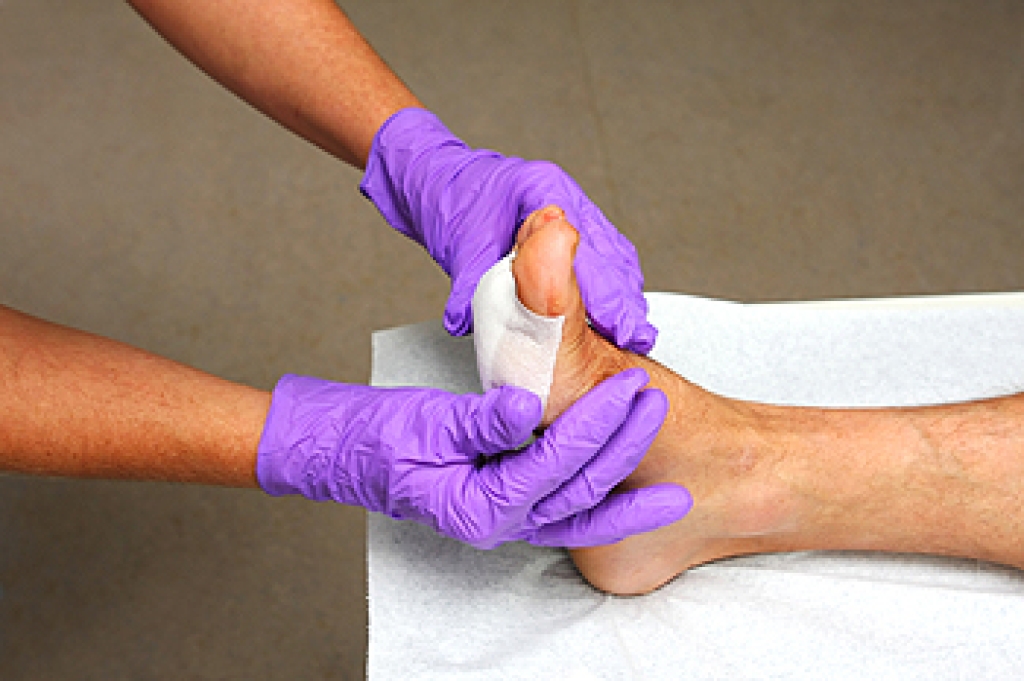
Wounds That Don't Heal Need to Be Checked

Your feet are covered most of the day. If you're diabetic, periodic screening is important for good health. Numbness is often a sign of diabetic foot and can mask a sore or wound.

Connect With Us