What Can Shockwave Therapy Be Used For?

Patients who undergo shockwave therapy may notice how simple and effective this type of treatment can be. It is administered by sending wave pulses to the affected area of the foot, and this may be helpful in reducing existing inflammation. Shockwave therapy can be used in treating specific foot conditions that can include Achilles tendonitis, plantar fasciitis, or ligament injuries. It is known to stimulate the formation of new blood vessels, which is helpful in promoting healing. The benefit of choosing this type of treatment can include the short amount of time necessary to complete the treatments. The need for surgery may even be eliminated. If you would like additional information on how shockwave therapy can treat certain foot conditions, please confer with a podiatrist.

Shockwave therapy is a treatment commonly used to treat various injuries and conditions, particularly plantar fasciitis in the feet. To learn more, consult with one of our clinicians from The Footcare Centre. Our podiatrists can provide the care you need to keep you pain-free and on your feet.

Shockwave Therapy

Shockwave therapy is a new treatment option designed to treat bone conditions such as tennis elbow, shoulder pain, and others. Shockwave therapy uses high intensity sound waves that are directed to the affected tissues of the body with pinpoint accuracy. The effects are very beneficial, leading to a production of collagen fibers, eliminating inflammation.

Who Benefits from Shockwave?

Shockwave is recommended for patients suffering from heel pain and associated problems. Heel pain is a common condition which can be caused by obesity, overexertion, and spending a substantial amount of time on hard floors with your feet exposed and unsupported.

Fast and Easy

The therapy is actually a simple process that can leave patients feeling better the very next day. Shockwave therapy is not as dramatic as it sounds. It enables more blood flow to effected areas, addressing the source of the problem and allowing treatment to last for a long time.

Treatment & Recovery Time

Shockwave treatment will enable your feet to recover quickly. This is especially important since surgery is not required. It is cost effective and does not require the use of anesthesia. This treatment is a better option to surgery, since it is proven safe.

If you have any questions, please feel free to contact our office located in Weybridge, UK . We offer the newest diagnostic and treatment technologies for all your foot care needs.

Read more about Treating Heel Pain with Shockwave Therapy

Preventing Foot Problems in Elderly People

As people age, maintaining balance and mobility becomes more difficult, increasing the risk of falls. Decreased muscle strength, joint stiffness, vision changes, and reduced nerve sensitivity can all lead to instability. Foot pain, bunions, hammertoes, and poorly fitting shoes may further affect balance and gait. Some medications and circulation problems can also cause dizziness or weakness. Regular foot care is essential for stability and comfort. A podiatrist can assess foot health, gait, correct biomechanical issues, and recommend custom orthotics or supportive footwear. It is suggested that older adults who notice changes in balance or foot comfort schedule a podiatric exam to prevent falls and stay active safely.

If you need your feet checked, contact one of our clinicians of The Footcare Centre. Our podiatrists will attend to all of your foot and ankle needs and provide you with quality treatment.

Geriatrics and Podiatry
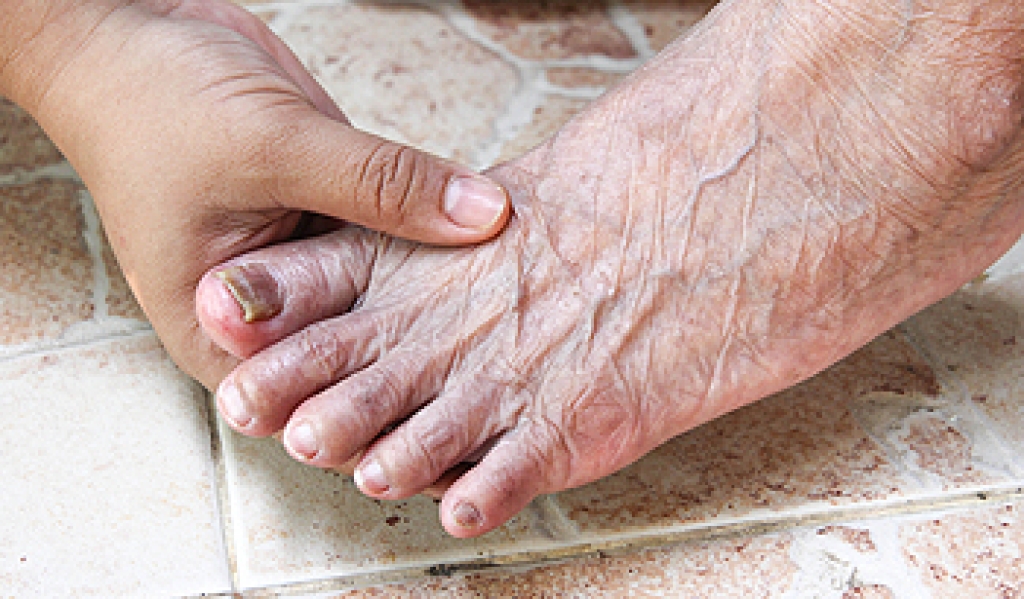
When people age, some common issues that may occur are bone density loss, dry skin, poor circulation, and rough brittle nails. These issues may also affect your foot health if the necessary steps are not taken to alleviate the problems.

It is important to take care of your feet because feet that are injured or diseased can affect your overall health. Having painful feet hinders your ability to do daily activities or may decrease your willingness to do the things that you need to do.

Visiting Your Geriatrician
As we age, health problems become more likely, so it is essential to visit your doctor for check-ups to ensure that you are doing the best you can to take care of your health. It is recommended to check your feet frequently for any possible cuts, bruises, swelling, corns or any other irregularities. 

Taking Care of Elderly Feet
Cracked or dry feet can be treated by applying moisturizer often. It is also important not to wear old socks because the older the sock is, the higher the possibility there will be that there is bacteria there. Wear fresh socks and make sure they fit properly.

Proper foot health means that you can have a more active lifestyle and you will not be bogged down by pain. Foot health also leads to good circulation, which is paramount for overall health.

If you have any questions, please feel free to contact our office located in Weybridge, UK . We offer the newest diagnostic and treatment technologies for all your foot care needs.

Read more about Geriatrics and Podiatry

Why Live with Pain and Numbness in Your Feet?

Suffering from this type of pain? You may have the foot condition known as Morton's neuroma. Morton's neuroma may develop as a result of ill-fitting footwear and existing foot deformities. We can help.

The Hidden Impact of Foot Pain on Walking Biomechanics

Walking is a complex movement that relies on proper alignment and coordination of the feet, ankles, and legs. When foot pain develops, it can alter normal biomechanics, causing changes in gait and posture that place stress on other joints. Common causes include plantar fasciitis, arthritis, flat feet, or injury to soft tissues. Symptoms include aching, stiffness, or sharp pain that worsens with activity. Over time, these changes can lead to limping, uneven wear on shoes, or discomfort in the knees, hips, and lower back. The foot may appear swollen or misaligned, and walking may feel awkward or unstable. A podiatrist can assess gait and foot structure through examination, imaging, and biomechanical analysis. Treatment may include custom orthotics, footwear recommendations, and stretching programs to relieve pain and restore natural movement. If foot pain is affecting how you walk, it is suggested that you make an appointment with a podiatrist to prevent further complications and maintain healthy mobility.

If you have any concerns about your feet, contact one of our clinicians from The Footcare Centre. Our podiatrists can provide the care you need to keep you pain-free and on your feet.

Biomechanics in Podiatry

Podiatric biomechanics is a particular sector of specialty podiatry with licensed practitioners who are trained to diagnose and treat conditions affecting the foot, ankle and lower leg. Biomechanics deals with the forces that act against the body, causing an interference with the biological structures. It focuses on the movement of the ankle, the foot and the forces that interact with them.

A History of Biomechanics

  • Biomechanics dates back to the BC era in Egypt where evidence of professional foot care has been recorded.
  • In 1974, biomechanics gained a higher profile from the studies of Merton Root, who claimed that by changing or controlling the forces between the ankle and the foot, corrections or conditions could be implemented to gain strength and coordination in the area.

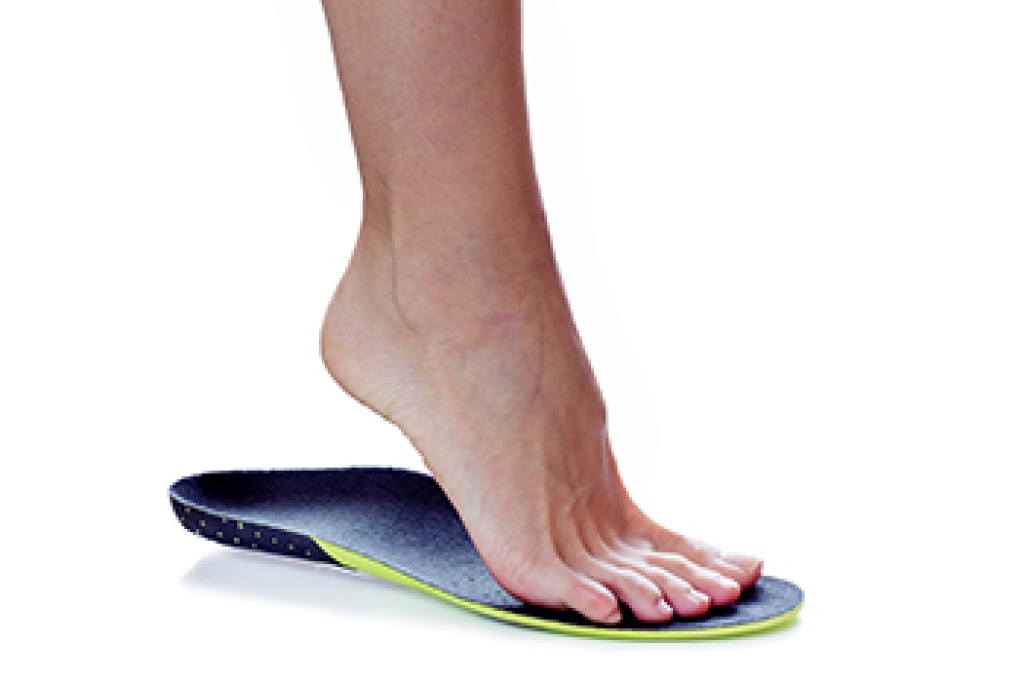
Modern technological improvements are based on past theories and therapeutic processes that provide a better understanding of podiatric concepts for biomechanics. Computers can provide accurate information about the forces and patterns of the feet and lower legs.

Understanding biomechanics of the feet can help improve and eliminate pain, stopping further stress to the foot.

If you have any questions please feel free to contact our office located in Weybridge, UK . We offer the newest diagnostic and treatment technologies for all your foot and ankle needs.
Read more about The Importance of Biomechanics in Podiatry

The Athletic Foot Powers Every Move and Jump

Every sport begins at ground level, with your feet. They support your body, absorb impact, and power every stride, jump, and pivot. Even small differences in foot structure, such as toe length or arch height, can influence how you move, balance, and perform. A longer big toe, for example, helps athletes push off with greater force in sprinting or skiing, while strong arches provide stability during side-to-side motions in tennis or basketball. Yet, the same mechanics that make feet powerful also make them vulnerable. Overuse, poor footwear, or uneven surfaces can lead to sprains, stress fractures, Achilles tendon injuries, or plantar fasciitis. Maintaining strength and flexibility in the feet and ankles helps prevent these issues. If you experience persistent pain or swelling in your feet or ankles from sports activity, it is suggested that you visit a podiatrist for evaluation and treatment.

Sports related foot and ankle injuries require proper treatment before players can go back to their regular routines. For more information, contact one of our clinicians of The Footcare Centre. Our podiatrists can provide the care you need to keep you pain-free and on your feet.

Sports Related Foot and Ankle Injuries

Foot and ankle injuries are a common occurrence when it comes to athletes of any sport. While many athletes dismiss the initial aches and pains, the truth is that ignoring potential foot and ankle injuries can lead to serious problems. As athletes continue to place pressure and strain the area further, a mild injury can turn into something as serious as a rupture and may lead to a permanent disability. There are many factors that contribute to sports related foot and ankle injuries, which include failure to warm up properly, not providing support or wearing bad footwear. Common injuries and conditions athletes face, including:

  • Plantar Fasciitis
  • Achilles Tendinitis
  • Achilles Tendon Rupture
  • Ankle Sprains

Sports related injuries are commonly treated using the RICE method. This includes rest, applying ice to the injured area, compression and elevating the ankle. More serious sprains and injuries may require surgery, which could include arthroscopic and reconstructive surgery. Rehabilitation and therapy may also be required in order to get any recovering athlete to become fully functional again. Any unusual aches and pains an athlete sustains must be evaluated by a licensed, reputable medical professional.

If you have any questions please contact our office located in Weybridge, UK . We offer the newest diagnostic and treatment technologies for all your foot and ankle needs.

Read more about Sports Related Foot And Ankle Injuries

Connect With Us