Recognizing Toenail Fungus Infections

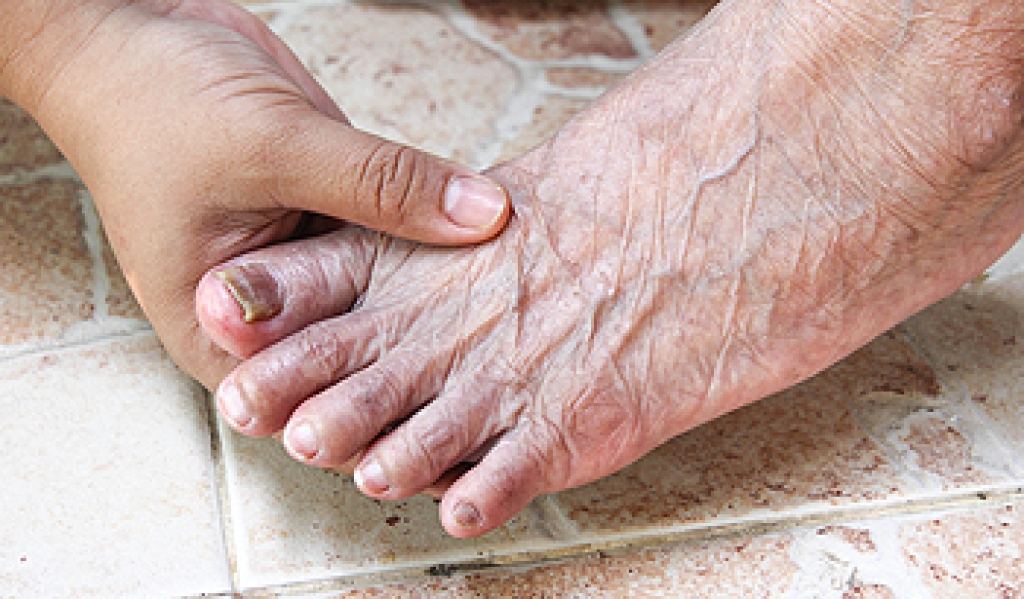
Toenail fungus is a fungal infection that affects the nail, the tissue beneath it, or both. Toenails are much more commonly affected than fingernails. The infection can cause a toenail to become thickened and develop yellow or white discoloration. Material may also collect underneath the nail, and the nail can begin separating from the nail bed. Several types of fungi can cause these infections. Risk factors include older age, previous nail damage, and athlete’s foot. Diabetes and poor circulation can also increase the likelihood of developing toenail fungus.


Toenail fungus does not always cause discomfort, especially during its earlier stages. However, changes in the appearance and structure of the nail may become more noticeable as the infection progresses. Some fungal infections begin near the end of the nail and cause thickening or yellowing. Others can create a chalky white appearance on the nail surface. Because other nail disorders can look similar, appearance alone is not always enough to confirm a fungal infection. Testing a sample from the affected nail can help determine whether fungus is actually responsible for the changes.


A podiatrist can examine an abnormal toenail and determine whether testing for toenail fungus is appropriate. Confirming the diagnosis is important because conditions like psoriasis can cause similar nail changes but require different treatment. Depending on the number of nails affected and the severity of the infection, professional treatment may include topical or oral antifungal medication. Toenails grow slowly, so a healthy-looking new nail may take 12 to 18 months to fully replace the affected nail. Treatment decisions can also depend on other medical conditions and the amount of discomfort caused by the infection. If you notice persistent toenail thickening, discoloration, or separation from the nail bed, it is suggested that you consult a podiatrist for an evaluation and appropriate treatment options.

For more information about treatment, contact one of our clinicians of The Footcare Centre. Our podiatrists can provide the care you need to keep you pain-free and on your feet.

Toenail Fungus Treatment

Toenail fungus is a condition that affects many people and can be especially hard to get rid of. Fortunately, there are several methods to go about treating and avoiding it.

Antifungals & Deterrence

Oral antifungal medicine has been shown to be effective in many cases. It is important to consult with a podiatrist to determine the proper regiment for you, or potentially explore other options.

Applying foot powder on the feet and shoes helps keep the feet free of moisture and sweat.

Sandals or open toed shoes – Wearing these will allow air movement and help keep feet dry. They also expose your feet to light, which fungus cannot tolerate. Socks with moisture wicking material also help as well.

If you have any questions please contact our office located in Weybridge, UK . We offer the newest diagnostic and treatment technologies for all your foot and ankle needs.
Read more about How to Treat Your Toenail Fungus

Orthotics for Better Foot Support and Comfort

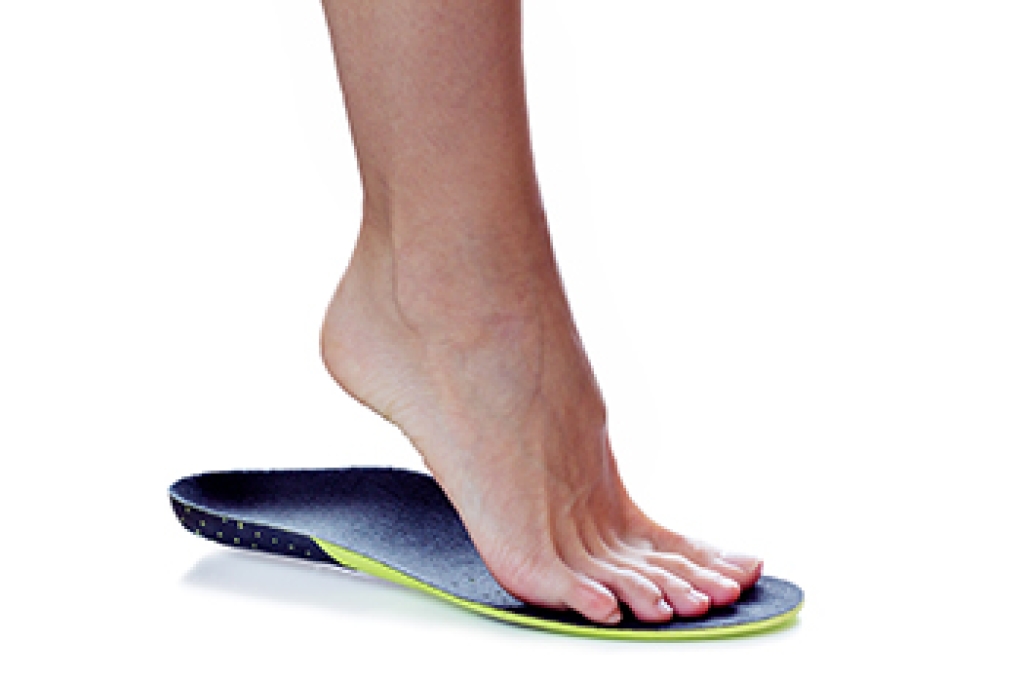
Orthotics are designed to support and improve the function of the feet and ankles. They can be placed inside shoes or worn around the foot and ankle, depending on the type of support needed. Orthotics may help relieve pain by changing how pressure is distributed across the foot. They can also provide support when a joint, muscle, or other structure is not functioning properly. Some orthotic devices are available in standard sizes, while custom orthotics are created specifically for an individual’s foot shape and medical needs.


Different types of orthotics serve different purposes. Shoe inserts may provide cushioning or additional support inside footwear. Custom-made orthotics can be designed to correct an abnormal walking pattern or reduce pressure on a painful area. An ankle-foot orthosis extends above the ankle and can provide greater stability when weakness or another medical problem affects movement. Orthotic devices may be recommended for several foot and ankle concerns, depending on the source of the symptoms. Since each person’s needs are different, the type of device used should match the specific problem affecting movement or comfort.


A podiatrist can evaluate foot or ankle pain and determine whether orthotics may be appropriate. This evaluation may include examining foot structure, joint movement, and walking patterns. If an orthotic is recommended, a podiatrist can determine what level of support is needed and whether a custom-made device may provide greater benefit. Properly selected orthotics can support the foot while addressing pressure or alignment problems that contribute to discomfort. A podiatrist can also evaluate whether another treatment is necessary when symptoms have a different underlying cause. If persistent foot or ankle pain is affecting your comfort or ability to walk, it is suggested that you consult a podiatrist for an evaluation and appropriate treatment options.

If you are having discomfort in your feet and would like to try orthotics, contact one of our clinicians from The Footcare Centre. Our podiatrists can provide the care you need to keep you pain-free and on your feet.

What Are Orthotics?

Orthotics are inserts you can place into your shoes to help with a variety of foot problems such as flat feet or foot pain. Orthotics provide relief and comfort for minor foot and heel pain but can’t correct serious biomechanical problems in your feet.

Over-the-Counter Inserts

Orthotics come in a wide variety of over-the-counter inserts that are used to treat foot pain, heel pain, and minor problems. For example, arch supports can be inserted into your shoes to help correct overarched or flat feet, while gel insoles are often used because they provide comfort and relief from foot and heel pain by alleviating pressure.

Prescription Orthotics

If over-the-counter inserts don’t work for you or if you have a more severe foot concern, it is possible to have your podiatrist prescribe custom orthotics. These high-quality inserts are designed to treat problems such as abnormal motion, plantar fasciitis, and severe forms of heel pain. They can even be used to help patients suffering from diabetes by treating foot ulcers and painful calluses and are usually molded to your feet individually, which allows them to provide full support and comfort.

If you are experiencing minor to severe foot or heel pain, it’s recommended to speak with your podiatrist about the possibilities of using orthotics. A podiatrist can determine which type of orthotic is right for you and allow you to take the first steps towards being pain-free.

If you have any questions, please feel free to contact our office located in Weybridge, UK . We offer the newest diagnostic and treatment technologies for all your foot care needs.

Read more about Foot Orthotics

The Importance of Professional Foot Wound Care

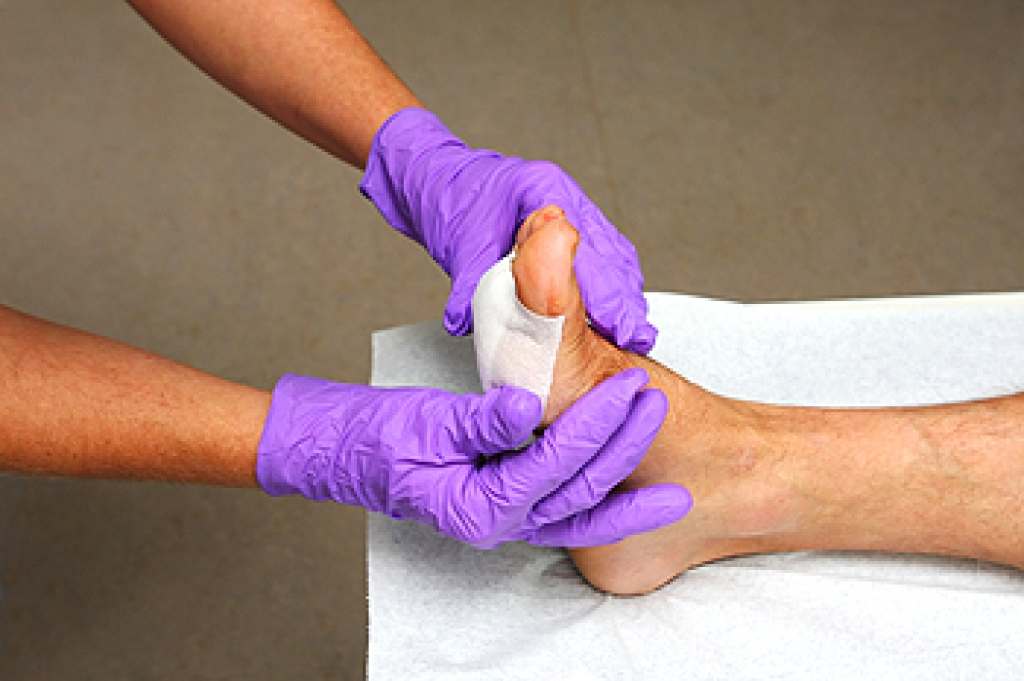
Foot wounds can develop from cuts, punctures, scrapes, or other injuries that damage the skin. While some wounds may seem minor at first, they can become more serious if healing is delayed or complications develop. Pain, swelling, and redness are common symptoms, while some wounds may also produce drainage or become warm to the touch. People with diabetes, poor circulation, or reduced feeling in their feet often face a greater risk of slow-healing wounds and infection. Because the feet are under constant pressure from standing and walking, even a small wound can interfere with daily activities. A professional evaluation is important to determine the severity of the wound and identify the most appropriate treatment.


Proper wound healing depends on healthy blood flow, clean tissue, and protection from additional injury. If a foot wound remains open for too long, the surrounding tissue may become damaged and the risk of infection can increase. As discomfort worsens, many people begin to change the way they walk, placing extra stress on the ankle, knee, or hip. A thorough podiatry examination helps evaluate the depth of the wound and identify any underlying conditions that may delay healing. In some cases, additional testing may be needed to assess circulation or determine whether an infection is present. Early diagnosis helps reduce the risk of more serious complications and supports better long-term foot health.


A podiatrist specializes in evaluating and treating foot wounds while carefully monitoring the healing process. Professional treatment focuses on protecting healthy tissue, promoting wound healing, and reducing the risk of infection. Care is tailored to each patient's needs and may be adjusted as the wound improves. Regular follow-up visits allow healing to be monitored and any concerns to be addressed promptly. If you have a foot wound that is painful, slow to heal, or showing signs of infection, it is suggested that you consult a podiatrist for an evaluation and appropriate treatment options.

Wound care is an important part in dealing with diabetes. If you have diabetes and a foot wound or would like more information about wound care for diabetics, consult with one of our clinicians from The Footcare Centre. Our podiatrists will assess your condition and provide you with quality foot and ankle treatment.

What Is Wound Care?

Wound care is the practice of taking proper care of a wound. This can range from the smallest to the largest of wounds. While everyone can benefit from proper wound care, it is much more important for diabetics. Diabetics often suffer from poor blood circulation which causes wounds to heal much slower than they would in a non-diabetic. 

What Is the Importance of Wound Care?

While it may not seem apparent with small ulcers on the foot, for diabetics, any size ulcer can become infected. Diabetics often also suffer from neuropathy, or nerve loss. This means they might not even feel when they have an ulcer on their foot. If the wound becomes severely infected, amputation may be necessary. Therefore, it is of the upmost importance to properly care for any and all foot wounds.

How to Care for Wounds

The best way to care for foot wounds is to prevent them. For diabetics, this means daily inspections of the feet for any signs of abnormalities or ulcers. It is also recommended to see a podiatrist several times a year for a foot inspection. If you do have an ulcer, run the wound under water to clear dirt from the wound; then apply antibiotic ointment to the wound and cover with a bandage. Bandages should be changed daily and keeping pressure off the wound is smart. It is advised to see a podiatrist, who can keep an eye on it.

If you have any questions please contact our office located in Weybridge, UK . We offer the newest diagnostic and treatment technologies for all your foot and ankle needs.

Read more about Wound Care

Keep Your Feet Healthy So You Can Stay Active

Have your feet inspected by a professional before starting a new sport or physical activity. Taking charge of your foot health will keep you in good physical condition and can help you avoid a potential injury, such as a fracture or sprained ankle.

Prevent injuries and see a foot specialist.

Dry and Split Skin From Cracked Heels

Cracked heels develop when the skin surrounding the heel becomes dry and begins to split. Shallow cracks can affect only the outer layer of skin and cause little discomfort. Deeper cracks can become painful and sometimes bleed. Dry skin is an important factor because skin that lacks moisture is less flexible and more likely to split under pressure. Aging can contribute because the skin loses moisture more easily as people get older. Athlete’s foot and eczema can also cause dry or irritated skin that increases the chance of heel cracking.

Certain vitamin deficiencies have also been linked with dry, cracked skin. Vitamin E helps protect skin cells and supports healthy skin. Vitamin B-3, also called niacin, helps the body turn food into energy and supports skin health. Severe vitamin B-3 deficiency can cause dry, scaly skin. Vitamin C supports collagen production, which helps give skin structure and strength. A serious vitamin C deficiency can contribute to dry skin and slow wound healing. However, deficiencies of these vitamins are considered rare in developed countries, so cracked heels do not necessarily indicate a nutritional problem.

A podiatrist can examine cracked heels and determine whether another foot or skin problem is contributing to the condition. An evaluation is especially important when cracks are deep, painful, or bleeding. Patients with diabetes or nerve damage should also have cracked heels evaluated because foot wounds can become more serious. A podiatrist can remove thickened skin safely and recommend treatment to protect damaged areas. Care can also address fungal infections or other conditions affecting the skin. Proper treatment can reduce discomfort and help protect the heels from further damage. If you have developed cracked heels, it is suggested that you schedule an appointment with a podiatrist for a diagnosis and appropriate treatment, which may include prescribed medication.

Cracked heels are unsightly and can cause further damage to your shoes and feet. If you have any concerns, contact one of our clinicians from The Footcare Centre. Our podiatrists can provide the care you need to keep you pain-free and on your feet.

Cracked Heels

Cracked heels appear unappealing and can make it harder for you walk around in sandals. Aside from looking unpleasant, cracked heels can also tear stockings, socks, and wear out your shoes. There are several methods to help restore a cracked heel and prevent further damage.

How Do You Get Them?

Dry skin is the number one culprit in creating cracked heels. Many athletes, walkers, joggers, and even swimmers suffer from cracked heels. Age and skin oil production play a role to getting cracked heels as well.

Promote Healing

Over the counter medicines can help, especially for those that need instant relief or who suffer from chronic dry feet.

Wear Socks – Wearing socks with medicated creams helps lock in moisture.

Moisturizers – Applying both day and night will help alleviate dryness which causes cracking.

Pumice Stones – These exfoliate and remove dead skin, which allows for smoother moisturizer application and better absorption into the skin. 

Change in Diet

Eating healthy with a well-balanced diet will give the skin a fresh and radiant look. Your body responds to the kinds of food you ingest. Omega-3 fatty acids and zinc supplements can also revitalize skin tissue.

Most importantly, seek professional help if unsure how to proceed in treating cracked heels. A podiatrist will help you with any questions or information needed. 

If you have any questions, please feel free to contact our office located in Weybridge, UK . We offer the newest diagnostic and treatment technologies for all your foot care needs.

Read more about Solutions for Cracked Heels

Connect With Us